Assess.Document.Adjust.
The Ralova methodology is a five-stage framework. Each stage produces a discrete output — a written document, a structured plan, or a revision record — that accumulates into a traceable programme archive.
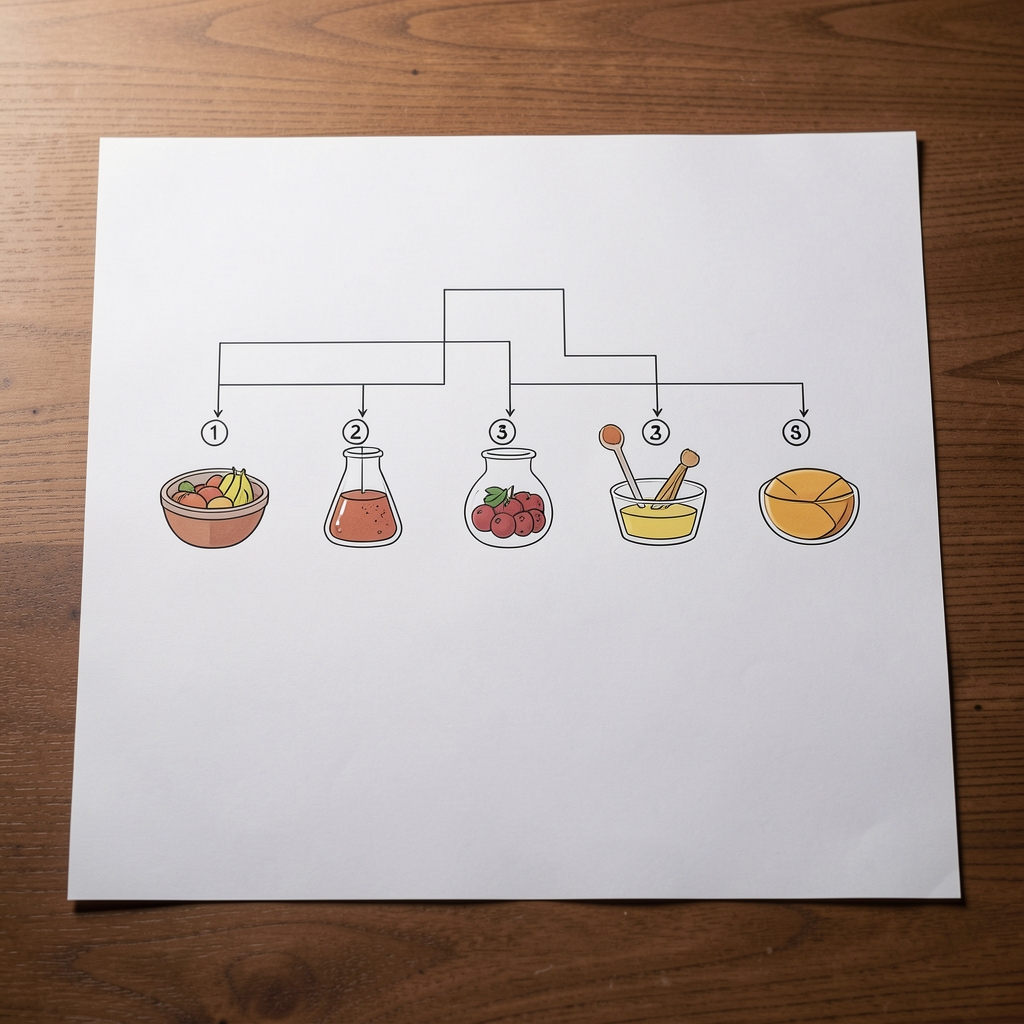
The Intake-to-Archive Sequence
Each Ralova programme moves through five documented stages. No stage is skipped; each produces a concrete output that feeds into the next.

Initial Intake Audit
The programme begins with a structured dietary questionnaire covering food frequency, habitual eating patterns, meal timing, and self-reported food preferences. The completed questionnaire is reviewed in a first session and annotated to produce an intake summary document.
The intake summary identifies the macronutrient baseline, noted dietary gaps relative to published reference ranges, and a preliminary list of compositional adjustment areas. This document serves as the primary reference for all subsequent programme stages.
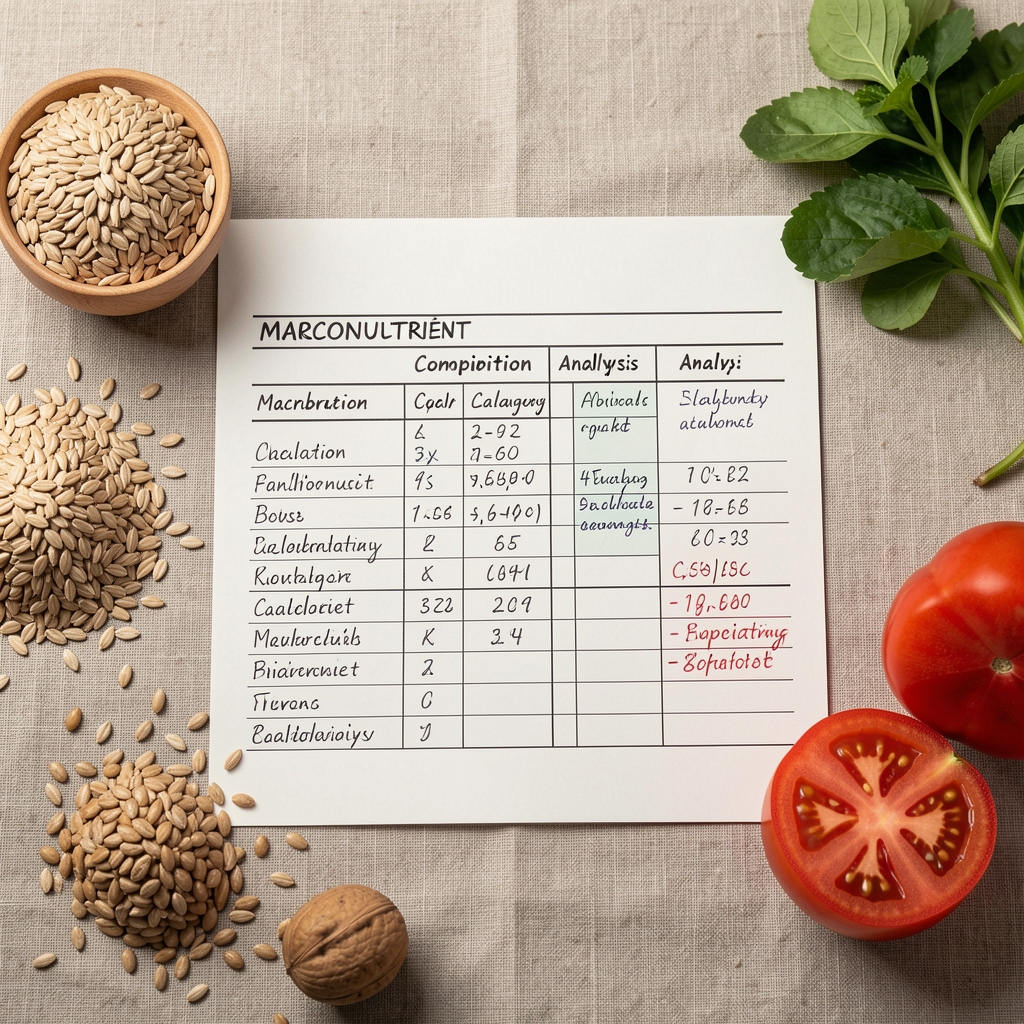
Compositional Analysis
Using the intake baseline, a detailed macronutrient and micronutrient composition profile is assembled. Carbohydrate, protein, fat, fibre, and key micronutrient contributions from habitual foods are cross-referenced against published nutritional reference values for the individual’s activity level and stated goals.
This stage produces a composition reference table — a structured summary of current intake versus target ranges — which informs the meal plan design in stage three. Ingredient profiles are selected based on published nutritional research and independently verified ingredient data.
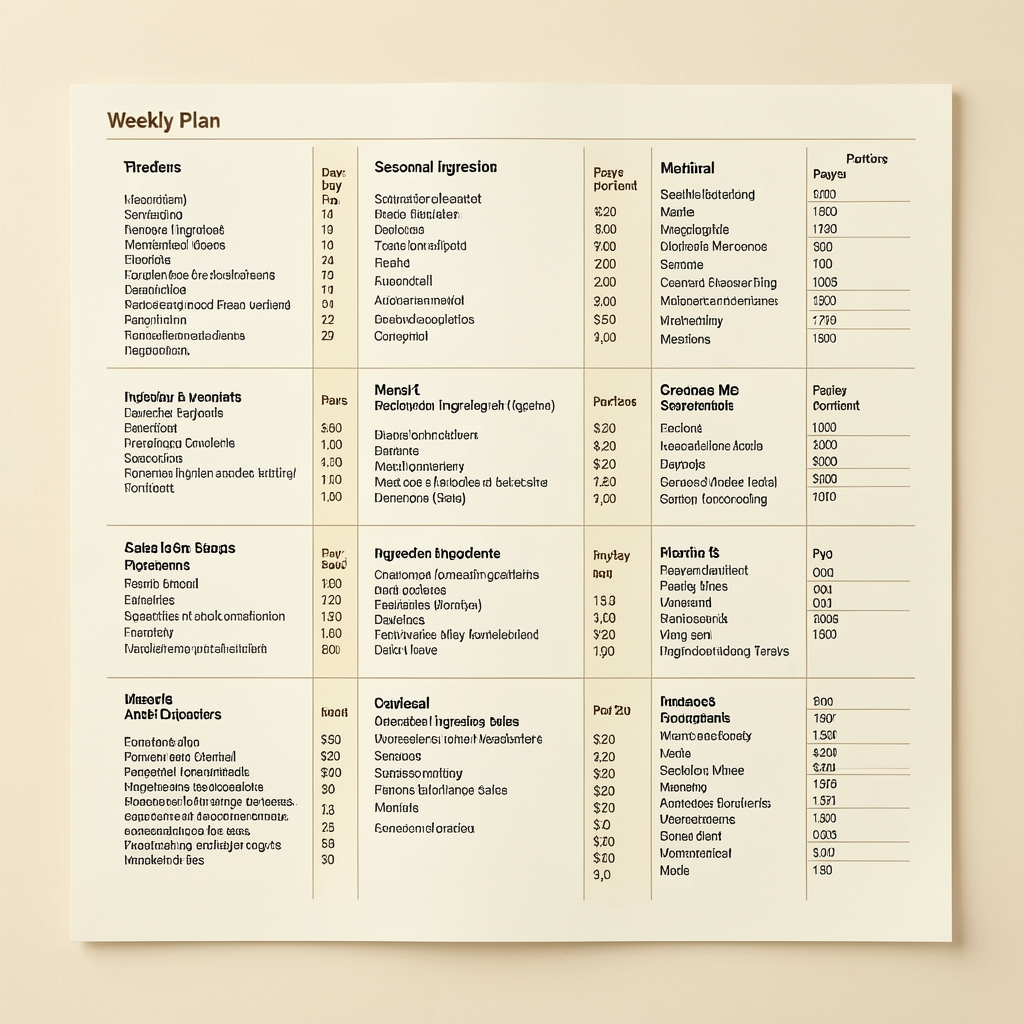
Meal Plan Composition
The meal plan is built against the composition reference table. Each meal is assigned an ingredient list, a portion reference, and a preparation note. The plan uses seasonal, UK-available produce where possible, with an ingredient sourcing index listing the primary and substitute options for each key ingredient.
Plans are issued as weekly or fortnightly documents, depending on the programme format. Each plan includes a preparation index and a macronutrient summary per day, allowing the individual to track composition alignment across the week without detailed calculation.

Follow-Up Review & Revision
Each follow-up session reviews the active plan against the individual’s reported experience: which meals were prepared, which were modified, what was found practically limiting or easily adopted. This feedback is documented as session notes and produces a plan revision — a numbered amendment to the current document.
Revision frequency is determined by the programme format. Meal planning programmes typically revise fortnightly; ongoing monitoring programmes revise monthly. No plan is replaced — it is amended, with prior versions retained in the session archive for reference.

Session Archive & Programme Record
All documents produced across the programme — intake summaries, composition tables, meal plans, revision notes — are retained in a structured session archive. Each entry is dated and revision-coded, producing a chronological record of the engagement.
The archive serves as both a programme reference and a longitudinal record of the individual’s dietary development. At the close of a programme, a compiled end-of-programme summary is issued, drawing on the full archive to document the trajectory of habit changes across the engagement period.
Research Reference Framework
Ralova’s compositional guidance is grounded in published nutritional research. The following frameworks inform the practice.
Published Reference Values
Macronutrient and micronutrient targets at Ralova are cross-referenced against published Dietary Reference Values and population-level nutritional guidance from reputable nutritional research organisations. These references are reviewed and updated as new research is published.
Whole-Food Composition Priority
Ingredient selection prioritises minimally processed, whole-food sources. The sourcing framework favours UK seasonal produce, with documented secondary options for out-of-season periods. Ingredient composition data is drawn from publicly available food composition databases.
Gut-Microbiome Alignment
Gut-supportive nutrition guidance at Ralova is informed by published research into dietary fibre, fermented foods, and probiotic-aligned eating patterns. Recipe and ingredient recommendations are structured to support a varied, fibre-rich dietary profile without requiring supplementation.
Activity-Aligned Composition
For individuals with active lifestyles, Ralova applies published sport and fitness nutrition guidance frameworks to adjust macronutrient ratios, eating timing, and energy composition across training and rest days. References are drawn from peer-reviewed sports nutrition literature.
Active ingredients are sourced from documented suppliers, with each batch accompanied by a certificate of composition. Sourcing prioritises suppliers whose facilities maintain food-grade processing standards. Ralova products are nutritional food-supplements registered with the applicable local regulatory authority under food-supplement classification.
Sourcing & Traceability Standards
All ingredient recommendations within Ralova programmes are accompanied by a sourcing reference that identifies the primary ingredient category, typical UK availability window, and key composition data from publicly available food composition tables. Where specific seasonal produce is referenced, an out-of-season substitute is documented alongside it.
For programmes that involve supplementary ingredient guidance — such as fermented food preparation or specific fibre-source integration — Ralova maintains a supplier reference list that is reviewed periodically and updated when composition data changes. Suppliers on this list operate under food-grade processing standards, and documentation of each supplier’s composition certification is retained in the practice archive.
Ingredient profiles in Ralova supplements are selected based on published nutritional research and undergo independent batch verification for quality and labelling accuracy.
Seasonal Ingredient Calendar
A rolling twelve-month UK seasonal produce calendar is maintained and referenced in all meal plan compositions.
Chain-of-Custody Documentation
Supplementary ingredient sourcing is accompanied by certificate-of-composition documentation held in the practice archive.
Third-Party Verified Data
Composition data is cross-checked against independent laboratory analysis records where available, supplementing publicly available food composition databases.
Lot Record Traceability
Each batch of referenced supplementary ingredients is assigned a lot record in the practice archive, allowing composition data to be traced back to a specific production period.
Quality & Accuracy Procedures
Intake Record Verification
All intake documents are reviewed for completeness before the composition analysis stage begins. Incomplete records are returned to the individual for completion with specific prompts for missing data fields.
Composition Accuracy Check
Macronutrient and micronutrient calculations in each composition reference table are verified against the source food composition database before the table is finalised and issued.
Plan Revision Audit
Each plan revision is audited against the preceding version to confirm that amendments are consistent with the session notes and do not introduce composition targets outside the agreed reference range.
Begin with Stage One
All Ralova programmes begin with the intake audit. Contact the practice to schedule the first session.